In the wake of the explosive Senate hearings that exposed a multi-billion peso corruption scheme in the nation’s flood control projects, the Philippines is now grappling with the complex and arduous path to accountability. As the public demands arrests and justice, the Integrated Bar of the Philippines (IBP) is stepping up, mobilizing a legal army to ensure the guilty are held responsible, while crucial debates over witness protection and restitution take center stage.
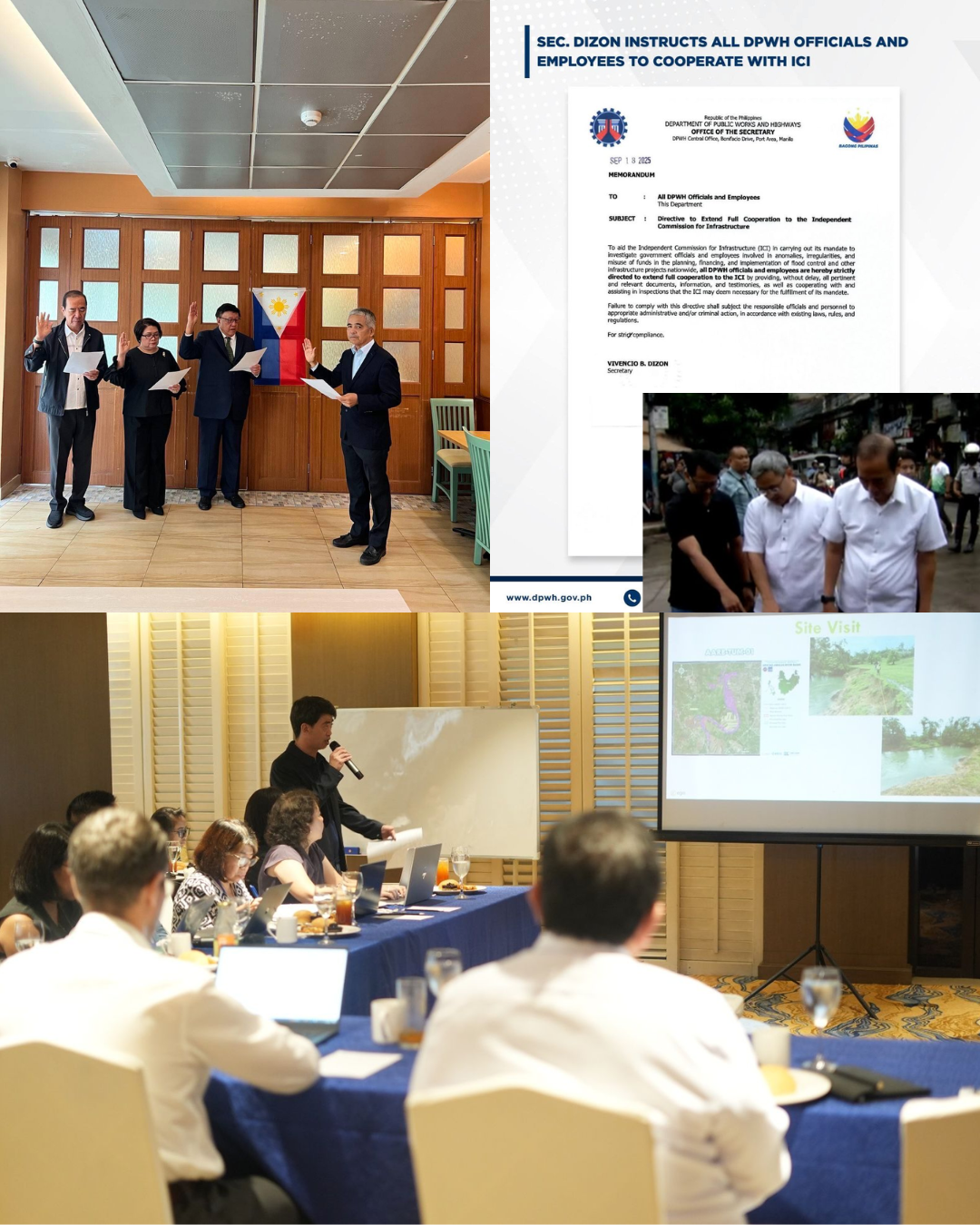
In an unprecedented show of civic duty, over 1,000 lawyers from across the country have volunteered to provide free (pro bono) legal services to the Independent Commission for Infrastructure (ICI), the body tasked with investigating the scandal. IBP National President, Attorney Alan Panolong, announced a formal partnership, stating the IBP will establish “anti-corruption help desks” in its 84 chapters nationwide. These desks will empower ordinary Filipinos to report anomalies in government projects, with the volunteer lawyers assisting in verifying reports and drafting the necessary civil, criminal, and administrative complaints against corrupt officials.
A central issue that has emerged from the hearings is the fate of the whistleblowers applying for the Witness Protection Program. Atty. Panolong clarified the distinction between a regular “protected witness” and a “state witness”—a participant in the crime who is granted immunity from prosecution in exchange for their testimony. This has led to a fierce public debate: should a witness who confesses to receiving millions in kickbacks be allowed to keep the stolen money?
According to Panolong, the law gives the Department of Justice (DOJ) leverage. He explained that as part of the agreement to become a state witness, the DOJ can—and should—require the applicant to agree to restitution, the act of returning the illicit funds. This ensures that immunity is not a free pass to get rich from a crime.
As the investigation unfolds, public frustration has grown over the apparent lack of arrests, especially of the high-profile figures named in the hearings. Atty. Panolong addressed this by explaining the principle of due process. “Senate hearings are in aid of legislation,” he noted, and they do not have the power to order criminal arrests. An arrest can only be made after a formal case has been filed in court, typically by the Office of the Ombudsman, and a judge has issued a warrant.
This, however, led to the most pressing and powerful question of the day. Panolong argued that for the whistleblowers who have already confessed their participation under oath in a public hearing, the evidence is clear. “What more evidence are we looking for?” he asked. The Office of the Ombudsman, as an independent body with the power to investigate and prosecute corrupt officials, does not need to wait for the Senate or the ICI to conclude their work. They have the power to demand the evidence from the Senate and file cases now.
As the nation watches and waits, the question posed by both the interviewer and the IBP President hangs heavy in the air: With so much evidence already exposed and with whistleblowers openly admitting their guilt, why is the Ombudsman still silent? The road to justice is now clear, but it appears to be waiting for the one agency with the primary mandate to take the first step.
News

The Toxic Price of Rejection: OFW’s Remains Found in a Septic Tank After Coworker’s Unwanted Advances
South Korea, a hub for Asian development, represents a major aspiration for many Filipino Overseas Workers (OFWs), who seek employment…

The Final Boundary: How a Starving Tricycle Driver Exacted Vengeance at a Homecoming Party
On November 28, 2009, in Angat, Bulacan, a lavish homecoming party for two returning travelers ended in a catastrophic tragedy….

The 12-Year Ghost: Why the Woman Behind Vegas’s ‘Perfect Crime’ Chose Prison Over Freedom
On October 1, 1993, at the Circus Circus Casino in Las Vegas, a crime unfolded in minutes that would be…

The Fatal Soulmate: How a British Expat’s Search for Love Online Became a $1 Million Homicide Trap
In 2020, in a comfortable apartment overlooking the city of Canberra, Australia, 58-year-old British expatriate Henrick Collins lived a successful…
The Cost of Negligence: Firefighter Ho Wai-Ho’s Tragic Sacrifice in Hong Kong’s Inferno
The catastrophic fire that engulfed seven towers of the Wang Fook Court residential complex in Hong Kong was a disaster…

The KimPau Phenomenon: How “The A-List” Sparked Queen Kim Chiu’s Fierce Career Revolution
The Filipino entertainment industry is currently witnessing a stunning career metamorphosis, all thanks to the sheer, raw power of the…
End of content
No more pages to load