MANILA, Philippines — Super Typhoon Nando is carving a path of destruction across Northern Luzon, bringing with it ferocious winds and torrential rain, while its far-reaching influence has enhanced the Southwest Monsoon, submerging parts of Metro Manila and nearby provinces in deep floodwaters. As of Tuesday night, the storm has claimed at least one life, forced thousands to flee their homes, and paralyzed communities from the mountainous Cordilleras to the nation’s bustling capital.
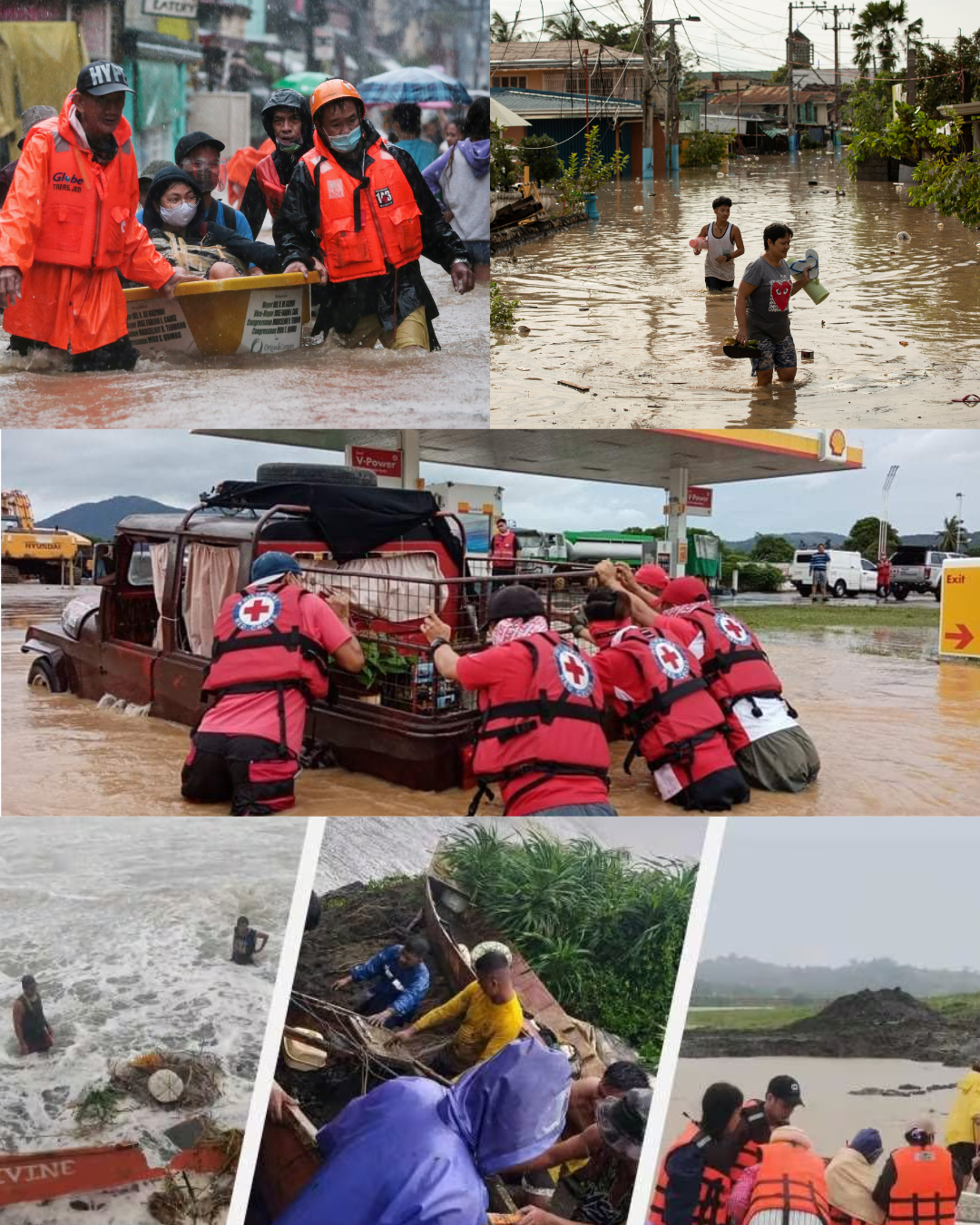
In the northern province of Cagayan, which bore the brunt of the typhoon’s direct impact, the situation is dire. A live report from Santa Ana showed a town under siege. The relentless, howling winds have toppled countless trees, downed power lines, and ripped corrugated iron roofs from buildings. The Municipal Disaster Risk Reduction and Management Office (MDRRMO) is engaged in continuous rescue operations, evacuating families from low-lying coastal and riverside communities. In the coastal Barangay Palawig, 124 families huddled in an evacuation center as the storm raged. Across the province, a staggering 28 out of 29 towns are without electricity.
Meanwhile, hundreds of kilometers to the south, the typhoon’s tail is unleashing its own brand of chaos. The enhanced Southwest Monsoon, or habagat, has inundated Metro Manila, Cavite, and Rizal. In Quezon City, major thoroughfares like Araneta Avenue have transformed into murky, waist-deep rivers, paralyzing traffic and stranding all but the largest trucks. The local government has ordered preemptive evacuations in flood-prone barangays. Amid the chaos, however, the Filipino spirit of bayanihan shines through. A 20-year-old resident, Kenneth Igarta, was seen voluntarily directing traffic in the floods, a selfless act to guide motorists away from dangerously deep water.
The treacherous weather has proven deadly in the mountainous region of Benguet. On Marcos Highway, in the town of Tuba, relentless rains triggered a massive landslide. A wall of earth and rock cascaded down a mountain with no slope protection, crushing two vans and a tanker truck. The incident resulted in one fatality and five injuries, marking the first confirmed death from the storm’s onslaught. The disaster has prompted officials in Baguio City to cancel government work and classes, close public parks, and issue urgent warnings for residents to stay home and prepare for more potential soil erosion.
Along the western coast, communities face a different kind of struggle. In Zambales, fishermen have been grounded for nearly two weeks, their boats secured far from the angry sea, but their incomes have vanished. Many have been forced to resort to gathering small shells to earn a pittance to feed their families. In a dangerous display of defiance, some residents in high-risk coastal zones are refusing to evacuate, choosing to guard their homes against the elements despite pleas from authorities.
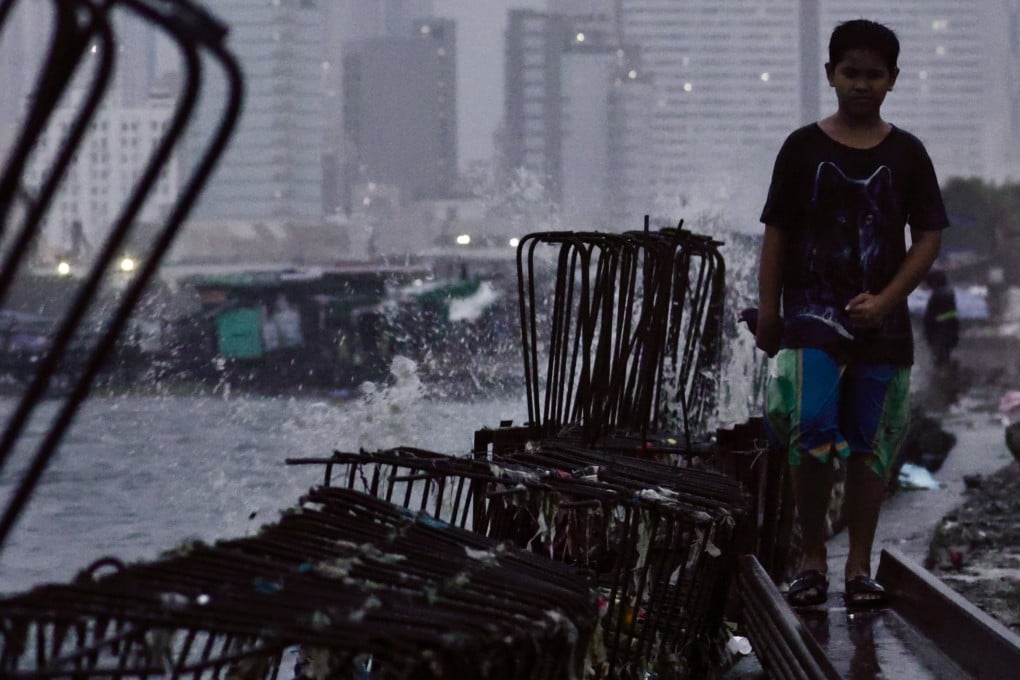
The threat is far from over. The PAGASA state weather bureau has issued a stark warning for a possible three-meter storm surge along the coast of Ilocos Norte. Compounding the flood risk, several major dams, including Magat, Binga, and Ambuklao, are currently releasing water due to the heavy rainfall in their watersheds. As Super Typhoon Nando slowly moves away, it leaves behind a nation grappling with widespread devastation, a grieving family, and communities that will need days, if not weeks, to recover from its powerful and destructive passage.
News

The Toxic Price of Rejection: OFW’s Remains Found in a Septic Tank After Coworker’s Unwanted Advances
South Korea, a hub for Asian development, represents a major aspiration for many Filipino Overseas Workers (OFWs), who seek employment…

The Final Boundary: How a Starving Tricycle Driver Exacted Vengeance at a Homecoming Party
On November 28, 2009, in Angat, Bulacan, a lavish homecoming party for two returning travelers ended in a catastrophic tragedy….

The 12-Year Ghost: Why the Woman Behind Vegas’s ‘Perfect Crime’ Chose Prison Over Freedom
On October 1, 1993, at the Circus Circus Casino in Las Vegas, a crime unfolded in minutes that would be…

The Fatal Soulmate: How a British Expat’s Search for Love Online Became a $1 Million Homicide Trap
In 2020, in a comfortable apartment overlooking the city of Canberra, Australia, 58-year-old British expatriate Henrick Collins lived a successful…
The Cost of Negligence: Firefighter Ho Wai-Ho’s Tragic Sacrifice in Hong Kong’s Inferno
The catastrophic fire that engulfed seven towers of the Wang Fook Court residential complex in Hong Kong was a disaster…

The KimPau Phenomenon: How “The A-List” Sparked Queen Kim Chiu’s Fierce Career Revolution
The Filipino entertainment industry is currently witnessing a stunning career metamorphosis, all thanks to the sheer, raw power of the…
End of content
No more pages to load