Seventeen-year-old Candy Tabanda was a girl full of life. Born on February 2, 2007, she grew up in Iloilo with her family while her father and older siblings worked abroad in New Zealand. Candy was known as a loving daughter, a caring sister, and a young woman with big dreams of one day becoming a nurse. She loved bonding with her cousins, often styling the hair of the younger children, and cherished simple moments with her siblings, whether it was filming TikTok videos or playing Mobile Legends on lazy afternoons.
When her older siblings returned home for a family reunion in December, the Tabanda household was filled with joy. Together, they traveled, laughed, and pushed aside any minor disagreements they had in the past. Candy’s introverted nature and moody teenage behavior didn’t change how much her family adored her. To them, she was still their youngest sister—the one they hoped to someday bring to New Zealand so she could chase her dreams.
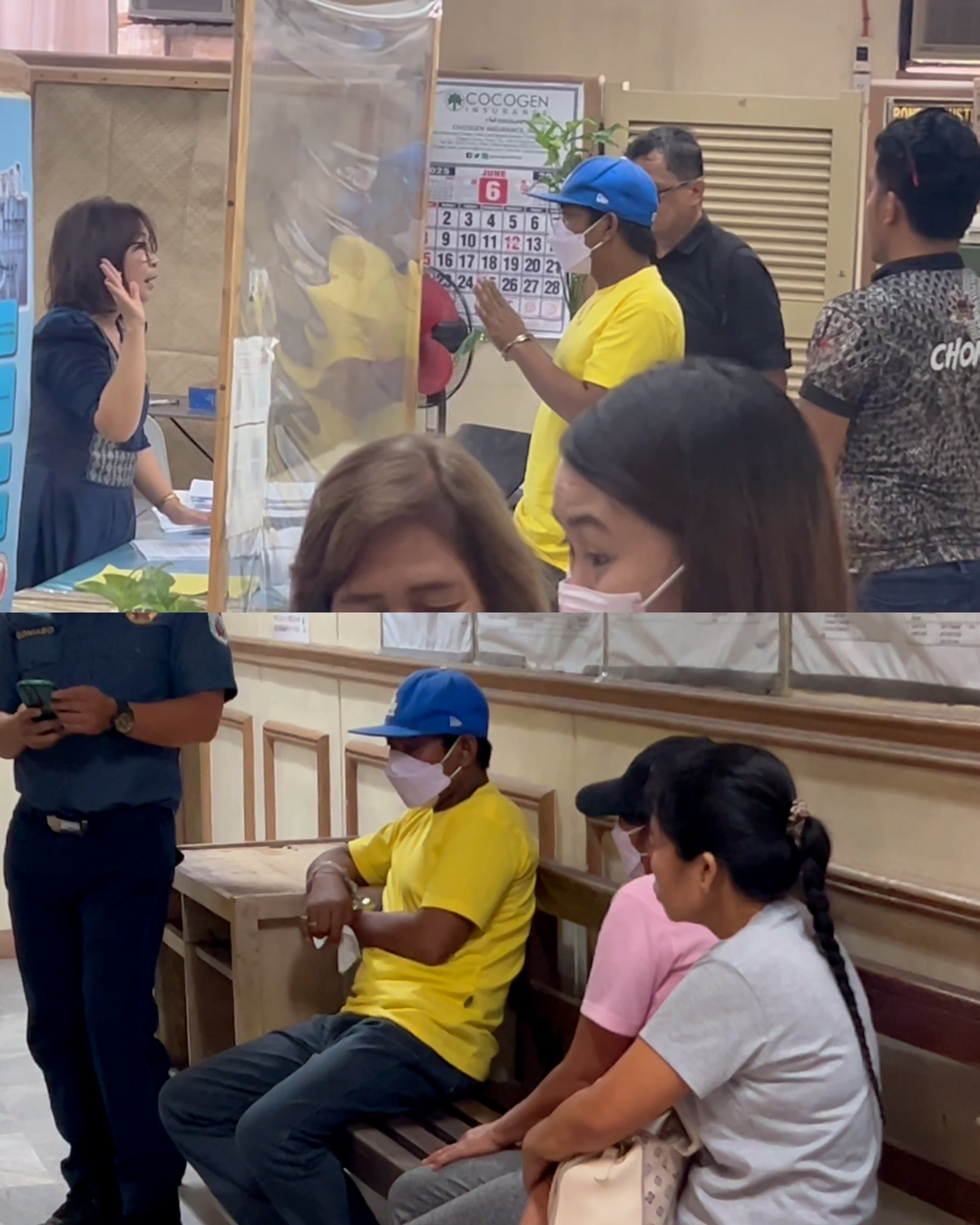
But on June 17, 2024, everything changed.
That evening seemed ordinary. Candy had dinner with her mother, Fe, before retreating to her room. The next morning, when she didn’t wake up, her mother thought little of it. Teenagers often slept in, after all. But as the hours passed and Candy still hadn’t come out, Fe decided to check on her. What she discovered was a scene no mother should ever face. Candy was lying on the floor, cold, unresponsive, and lifeless.
At first, whispers of suicide or natural causes spread. Some wondered if depression had taken its toll, while others believed her habit of staying up late may have caused a sudden medical complication. But the autopsy shattered those assumptions. Conducted by Dr. Owen Lakin, the results revealed chilling evidence: bruises scattered across her hands, feet, and face—injuries she could not have inflicted upon herself. The true cause of death was multiple hematomas on her head, consistent with blunt force trauma. Candy had been beaten, and worse, there were disturbing signs of abuse.
The case was no longer a tragedy—it was a homicide.
As investigators pieced together the timeline, suspicion grew close to home. A man named Aljan Jeluna, a neighbor and familiar figure in the community, was quickly brought into questioning. Jeluna was no stranger to the family; he had often given them rides on his motorcycle and was even present during New Year’s celebrations. To the Tabandas, he was once a trusted neighbor and even a friend.
But eyewitness accounts placed Jeluna drinking and using drugs just hours before Candy’s death. When confronted, Jeluna confessed to entering Candy’s room using a nearby tree to climb through the window. He claimed his intention was only to scare her. According to his version, Candy screamed, and in his attempt to silence her, he covered her mouth. She resisted fiercely, and in the struggle, they both fell from the bed, causing Candy’s head to strike the floor. He insisted he never raped her, never intended to kill her, and begged for forgiveness.
But his words brought little comfort. The autopsy told a different story. The scattered bruises, the blunt force trauma, and the state in which Candy was found painted a far darker picture. For her family, Jeluna’s explanations were nothing more than desperate lies.
As the case gained national attention, the pain of Candy’s family became visible to all. Her mother could barely contain her grief, collapsing in tears during the funeral. Her siblings, who had dreamed of one day bringing her to New Zealand, now carried only sorrow and rage. “We will fight for justice,” they vowed, determined that Candy’s death would not be forgotten.
The community, too, was shaken. How could someone so familiar, so trusted, be capable of such cruelty? The revelation left neighbors fearful and betrayed, questioning how well they really knew the people living around them.
Today, the investigation continues, with Jeluna facing multiple charges including homicide and violations of the Comprehensive Dangerous Drugs Act. For the Tabanda family, however, no sentence will ever erase the pain of losing Candy. Her dreams of becoming a nurse, her laughter, and her future were all stolen in one horrifying night.
Yet amid the sorrow, her story has become a symbol of resilience. The Tabandas’ fight for justice has inspired many, reminding us of the importance of standing together against violence, speaking up for victims, and demanding accountability.
Candy’s name will not fade into silence. Her memory lives on in the voices of her family, the cries for justice from her community, and the determination of those who refuse to let her death be in vain.
News

The Toxic Price of Rejection: OFW’s Remains Found in a Septic Tank After Coworker’s Unwanted Advances
South Korea, a hub for Asian development, represents a major aspiration for many Filipino Overseas Workers (OFWs), who seek employment…

The Final Boundary: How a Starving Tricycle Driver Exacted Vengeance at a Homecoming Party
On November 28, 2009, in Angat, Bulacan, a lavish homecoming party for two returning travelers ended in a catastrophic tragedy….

The 12-Year Ghost: Why the Woman Behind Vegas’s ‘Perfect Crime’ Chose Prison Over Freedom
On October 1, 1993, at the Circus Circus Casino in Las Vegas, a crime unfolded in minutes that would be…

The Fatal Soulmate: How a British Expat’s Search for Love Online Became a $1 Million Homicide Trap
In 2020, in a comfortable apartment overlooking the city of Canberra, Australia, 58-year-old British expatriate Henrick Collins lived a successful…
The Cost of Negligence: Firefighter Ho Wai-Ho’s Tragic Sacrifice in Hong Kong’s Inferno
The catastrophic fire that engulfed seven towers of the Wang Fook Court residential complex in Hong Kong was a disaster…

The KimPau Phenomenon: How “The A-List” Sparked Queen Kim Chiu’s Fierce Career Revolution
The Filipino entertainment industry is currently witnessing a stunning career metamorphosis, all thanks to the sheer, raw power of the…
End of content
No more pages to load